Named locations provide geographic context. Their mention does not imply a client relationship or endorsement.
The Culver Steps and a Shared Downtown Experience
The Culver Steps describes terraces, green space, shopping, dining, outdoor movies, concerts, and gatherings. Its visitor information also identifies its garage and additional parking options nearby. This is a destination built around time spent in a place, not simply entering one business and immediately leaving.
The security meaning of that setting is the coexistence of different purposes. A restaurant customer, a person relaxing in a plaza, and someone visiting a workplace may pass through the same broader destination while using different areas. For a similar property, clear responsibility matters more than assuming every person has the same reason to be there. The public experience and a private tenant's concerns deserve distinct attention.
The Arts District Has a Specific Local Identity
Culver City identifies the Arts District as a Business Improvement District approved in 2016. The city's description connects it with Washington Boulevard, the Ivy Station development, and an annual Art Walk and Roll event. That district identity makes creative activity part of the local property context rather than a generic label applied to every office.
A gallery opening or district gathering can change the way a business interacts with visitors compared with an ordinary workday. That observation does not establish that any named location has a safety deficiency. It explains why a security assessment should identify the occasion and responsible property rather than infer access rights from the district's public visibility. The event and the individual premises have different boundaries.
Public Art Is Part of the Streetscape
The city's Art in Public Places program includes a permanent artwork collection and a downtown cultural walking tours guide. Public art brings an additional reason to pause, view, and move between destinations. A person looking at an artwork may be using the streetscape appropriately without seeking admission to the business beside it.
For nearby private premises, that distinction is important. A property's public visibility does not mean all interior areas are publicly accessible, but someone enjoying the surrounding cultural setting should not automatically be characterized as an unwanted visitor. Professional security responsibilities need to reflect the actual location and conduct. Cultural activity provides context for the assignment, rather than evidence that the district needs a particular level of enforcement.
Filming Adds a Separate Layer of Authorization
Culver City's filming information distinguishes filming permissions from rental permission for city park facilities, including parking lots used for production purposes. The city's guidance shows that the location and activity are both relevant. A production's presence is not a single permission that automatically answers every question about the surrounding property.
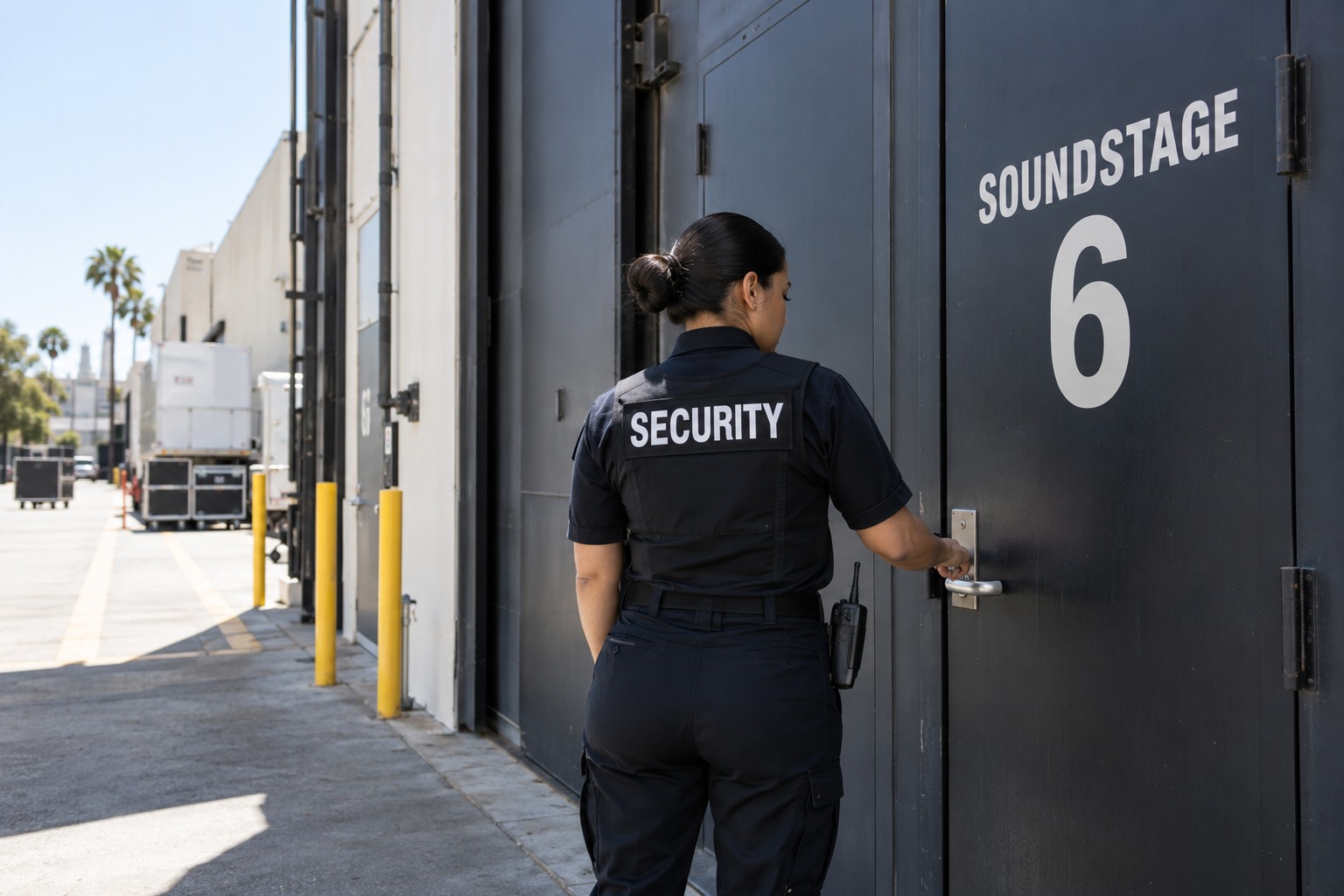
In this local context, production security concerns are different from the ordinary use of a public plaza or a creative workplace. Crew participation, a property agreement, and public passage are separate relationships. A private assignment should fit the authorized production setting without implying authority over unrelated businesses or every person nearby. This is a assessment of responsibilities, not a description of operational procedures at any named venue.
References
Security in Culver City
Contact Paradigm Security Services to review your property or assignment in Culver City. Specific coverage and responsibilities are confirmed privately.