
Nightlife
One Bad Weekend Night Can Cost a Bar or Nightclub Its License, Its Insurance, and Its Name
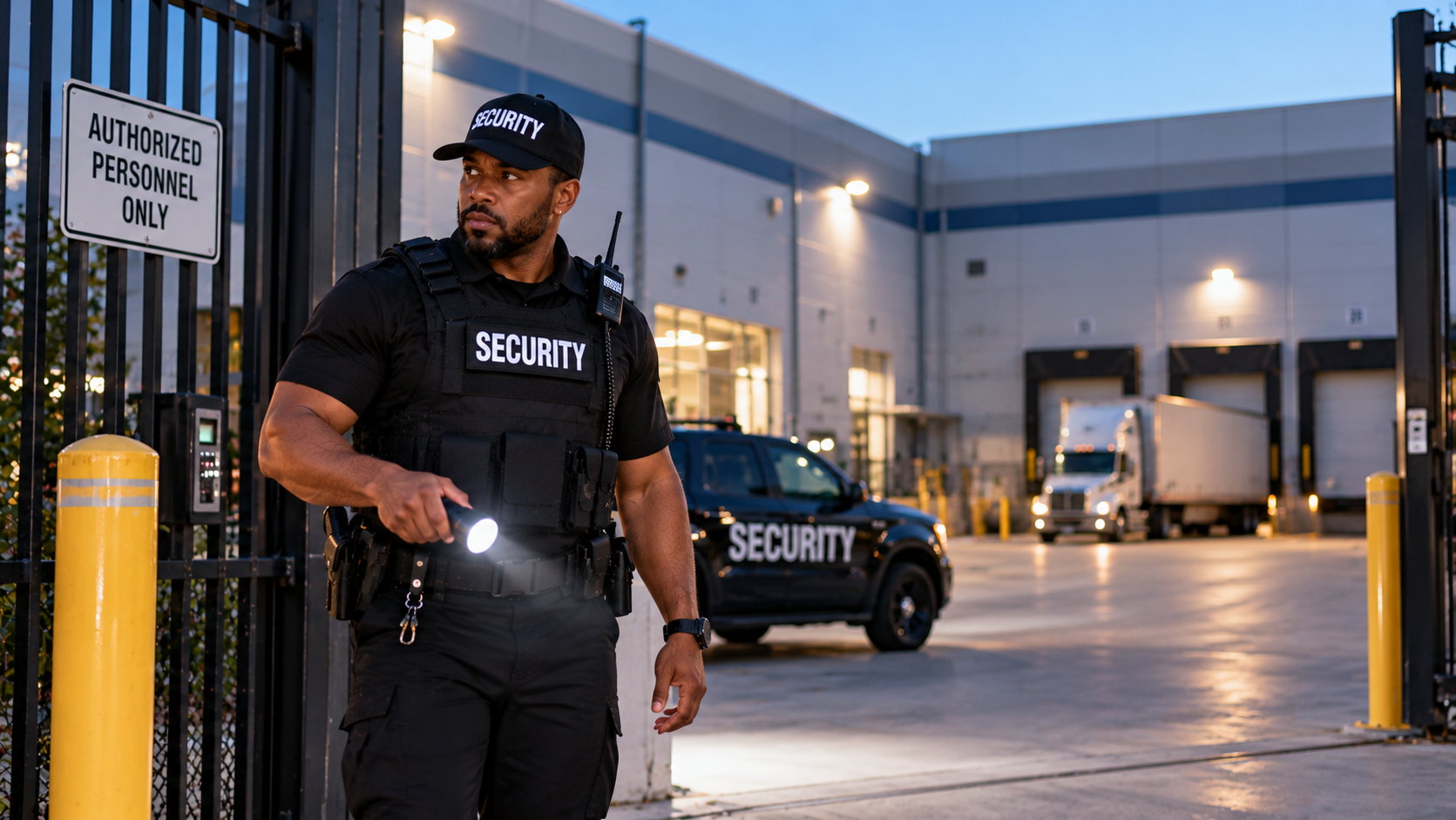
Security guard licensing rules vary; confirm current California BSIS requirements before hiring.
Weekend nights concentrate every risk a venue has
A Tuesday evening crowd and a Saturday night crowd are not the same business problem. Weekend nights bring larger crowds, longer lines, heavier drinking, and more strangers mixing with regulars. People arrive in groups celebrating, people arrive already intoxicated from somewhere else, and people who were turned away or cut off do not always leave quietly.
Research on violence in bars supports what owners see with their own eyes. A quantitative study of violent crime in bars using national incident data found that simple assault made up about 74 percent of the violent crimes recorded in bars, with aggravated assault at about 15 percent, and that weekend timing and offender alcohol use were strongly linked to whether an incident happened in a bar at all. In plain terms, the study confirms the pattern every venue operator recognizes. When it is the weekend and alcohol is involved, the odds of violence rise sharply.
Alcohol is the constant in these stories. Federal and public health research summarized in alcohol crime statistics reporting puts alcohol involvement at about 40 percent of violent crimes in the United States, and the Los Angeles City Planning record on alcohol related violence notes that about one in ten alcohol involved violent incidents occurs in a bar or restaurant. None of that surprises anyone who has watched a crowded room change mood in the last hour before closing.
The incident itself is only the first problem
When a fight breaks out, the immediate harm is obvious. A patron with a broken jaw or a head injury. A staff member who stepped in and got hurt. A window, a vehicle, or a neighboring business damaged as the crowd pushes outside. What owners underestimate is how many separate problems begin the moment the incident ends.
There is the police response and the report that follows, which becomes a permanent record attached to the address. There is the injured person and their family, who will ask who was responsible for keeping the venue safe that night. There is the phone video, which almost always exists now, and which shows the worst thirty seconds of the night without any of the context that came before it. And there is the staff member who was working the door, who may have been a host, a barback, or a bartender pulled from behind the bar, now named in statements as the person who was supposed to be in charge of security.
Liability follows the owner home
An injured patron rarely sues only the person who threw the punch. Claims typically reach for the business that served the alcohol, controlled the premises, and decided how the night would be staffed. Owners hear phrases like negligent security and failure to provide a safe environment, and the argument is straightforward. The venue knew weekend nights brought fights and intoxicated crowds, the risk was foreseeable, and the precautions did not match the risk.
Licensing pressure runs alongside the legal pressure. Repeated police calls, documented disturbances, and complaints from neighbors draw attention from the agencies that oversee alcohol service and local permits. Conditions can be added, hours can be questioned, and entertainment or occupancy privileges the venue depends on can become subjects of hearings. An owner can win the argument that a single incident was not their fault and still lose ground on the license that makes the business possible.
Reputation damage outlasts the repair bill
A broken window is fixed in a week. A reputation takes far longer. One violent incident, covered by local news or shared widely on social media, becomes the first thing a new customer finds when they search the venue name. Reviews written that weekend stay at the top of the listing for months. Performers, promoters, and private event clients read those reviews too, and many quietly choose a different room.
Closing time and the parking lot are part of the same night
Many of the worst incidents do not happen at the bar itself. They happen at closing, when a full room empties at once into the street and the parking lot, when rides are late, when two groups that argued inside meet again outside with no staff presence at all. Patrons walk to cars in dark lots. Intoxicated guests argue over fenders and rideshares. People who were removed earlier wait outside for friends, or for the person they argued with.
From a liability and reputation standpoint, it makes little difference that the incident happened twenty feet past the door. Police reports, news stories, and lawsuits will still carry the venue name. Neighbors woken at two in the morning will still blame the venue. A parking lot with no professional presence at the most volatile moment of the night is one of the clearest gaps an owner can have, and one of the easiest for a plaintiff or an insurer to point to afterward.
A quiet weekend is not proof the risk is handled
The most dangerous conclusion an owner can draw is that because last month was quiet, the current setup works. Weekend risk is built into the model of the business itself. Alcohol will be served, crowds will gather, strangers will mix, and some nights a person in the room will be looking for trouble or too intoxicated to walk away from it. The variable is never whether the conditions for an incident exist. They exist every weekend. The variable is whether the night has licensed, trained professionals present whose sole responsibility is safety, or whether that responsibility is improvised by staff who already have other jobs to do.
That distinction is what insurers, regulators, and juries look at after something goes wrong. It is also what staff and customers sense while the night is going well. A venue that takes safety seriously as a professional function, rather than as an extra duty for whoever is free, is protecting its license, its people, and its name at the same time.
If your venue is relying on bartenders and goodwill to get through Saturday night, that is a gap worth closing before an incident closes it for you. Paradigm Security Services provides licensed security for venues and events across the greater Los Angeles area, CA PPO120139, and can give you an honest assessment of where your busiest nights leave you exposed.
Disclaimer: Security guard licensing rules vary; confirm current California BSIS requirements before hiring.
Sources: https://www.jurispro.com/files/articles/iolentrimeinarsuantitativenalysis_5894.pdf, https://gitnux.org/alcohol-related-crime-statistics/, https://planning.lacity.gov/eir/CrossroadsHwd/FEIR/files/R1.pdf, https://bsis.ca.gov/consumers/faqs/ppo.shtml
Paradigm Security Services | Security Guard Services, Event Security & Commercial Security | paradigmsecurityservices.com | CA PPO120139